Concrete used in fuel facilities must provide more than basic strength. It needs to resist damage caused by fuel spills, constant traffic, temperature changes, and environmental exposure. Proper installation and maintenance ensure that the surface remains stable and functional for many years. Concrete Advantage understands the importance of dependable construction solutions for specialized facilities. With proper planning, quality materials, and expert workmanship, concrete systems can improve safety, reduce maintenance concerns, and support efficient facility operations. Understanding the role of concrete in fuel environments helps facility owners make better decisions when planning construction or improvement projects.
Why Concrete Quality Matters in Fuel Facilities
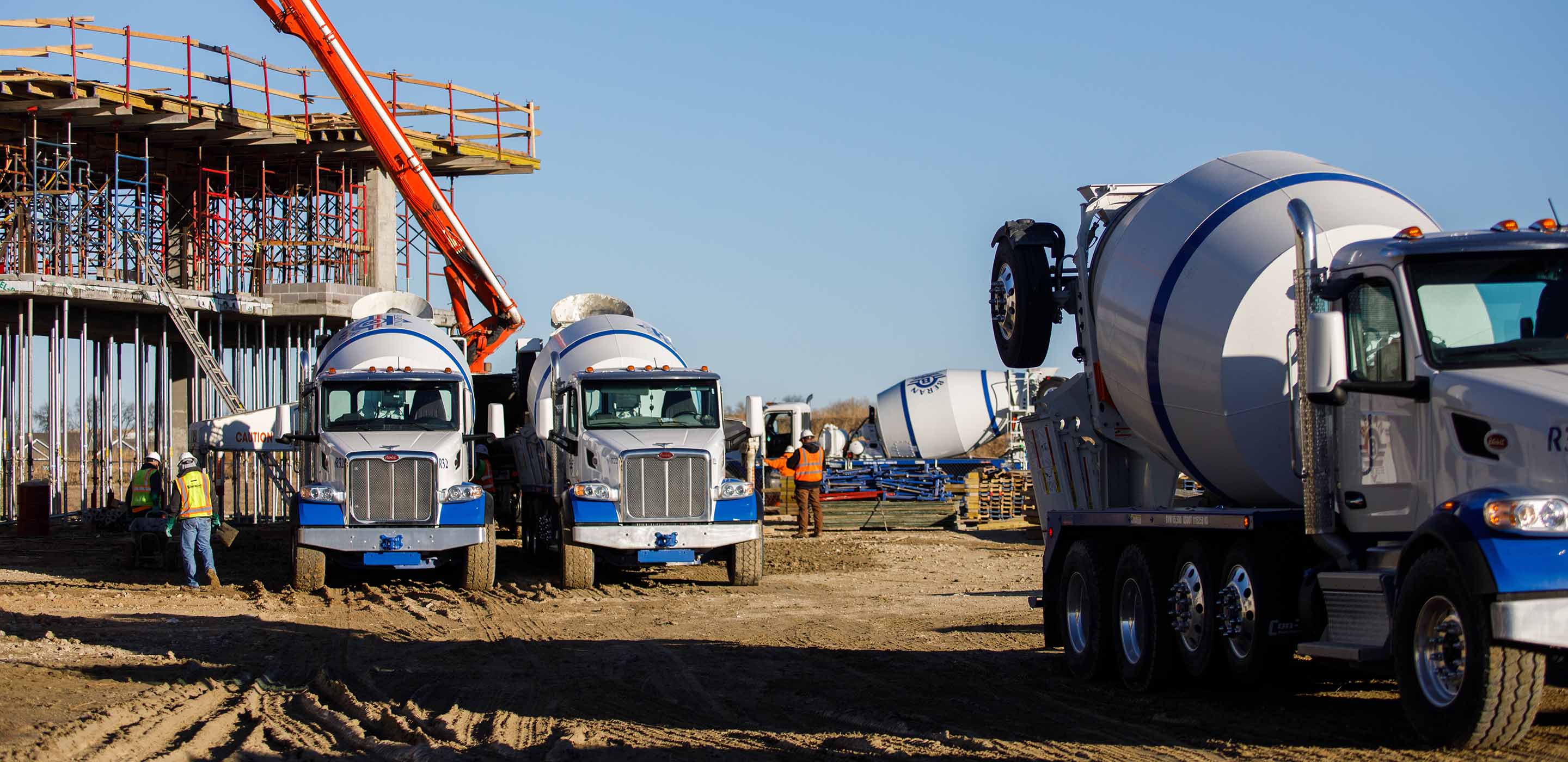
Fuel facilities operate under strict conditions where safety and reliability are essential. The concrete surfaces used in these areas must be designed to handle heavy loads while preventing damage that could create operational risks. High-quality construction helps maintain a safer working environment and protects valuable infrastructure.
Strong Surfaces Support Heavy Operations
Fuel facilities often experience frequent movement from trucks, equipment, and service vehicles. Weak or poorly installed surfaces can develop cracks, uneven areas, and structural problems that create safety concerns. Professional concrete solutions provide the strength needed to support heavy traffic without reducing performance. Proper reinforcement, accurate material selection, and expert installation help create surfaces that remain stable under continuous pressure. A durable concrete foundation also helps reduce disruptions caused by repairs. When surfaces are built correctly from the beginning, facilities can maintain smoother operations and avoid unnecessary downtime.
Resistance Against Fuel and Environmental Damage
Concrete in fuel-related areas must withstand exposure to challenging conditions. Fuel spills, chemicals, moisture, and changing temperatures can affect surfaces if the right materials and protective methods are not used. Specialized Fuel Facility Concrete systems are designed to improve resistance against these challenges. Proper sealing and finishing techniques help protect the surface and reduce the risk of deterioration. A strong concrete system creates a safer environment by reducing damage risks and improving long-term reliability.
How Professional Installation Improves Facility Safety
The installation process has a direct impact on the performance of concrete surfaces. Even high-quality materials require expert handling to achieve maximum durability and safety. Professional contractors follow detailed procedures to ensure every stage of construction meets project requirements.
Proper Design Helps Prevent Future Problems
Before construction begins, professionals evaluate the specific needs of the facility. They consider factors such as vehicle traffic, drainage requirements, environmental exposure, and operational demands. A well-designed concrete system helps prevent common problems such as cracking, water accumulation, and surface failure. Proper planning also ensures that the facility layout supports safe movement and efficient operations. Experienced contractors understand that every fuel facility has unique requirements. Customized designs provide better results because they address the actual challenges of the site.
Maintenance Planning Extends Concrete Performance
Regular maintenance is important for preserving the condition of concrete surfaces. Even strong materials require inspections and care to continue performing effectively.
Routine evaluations help identify small issues before they become major concerns. Cleaning, sealing, and timely repairs can protect the surface and extend its useful life. Concrete Advantage provides solutions that focus on long-term performance by combining quality construction with practical maintenance strategies. This approach helps facility owners protect their investment and maintain safer working conditions.
Benefits of Investing in Specialized Concrete Solutions
Fuel facilities require construction materials that can meet demanding performance expectations. Investing in professional concrete solutions provides several advantages, from improved safety to better operational efficiency.
Reduced Repair Needs and Lower Maintenance Costs
High-quality concrete construction reduces the chances of frequent repairs and unexpected failures. Strong surfaces can handle demanding environments while maintaining their functionality. A properly installed concrete system helps facility owners save money over time by reducing maintenance requirements. Preventing problems before they occur is often more cost-effective than managing repeated repairs.
Important factors that support long-term performance include:
- Using durable materials designed for demanding environments and heavy usage.
- Following professional installation methods that improve strength and reliability.
Improved Compliance and Operational Safety
Fuel facilities must follow strict safety guidelines to protect employees, customers, and surrounding areas. Proper concrete construction supports these requirements by creating stable and reliable working surfaces. Safe surfaces reduce risks associated with uneven pavement, structural damage, and poor drainage. This allows employees to perform their duties with greater confidence. Professional contractors understand the importance of meeting industry expectations. Their experience helps ensure that concrete systems are designed and installed according to safety-focused practices.
Conclusion
Safety is one of the most important priorities for fuel facilities, and the quality of construction materials directly affects overall performance. Professional fuel facility concrete solutions provide the strength, durability, and resistance needed for demanding environments. From supporting heavy traffic to protecting against environmental challenges, properly installed concrete systems help facilities operate more safely and efficiently.
Careful planning, expert installation, and regular maintenance all contribute to long-lasting results. Concrete Advantage delivers reliable construction solutions designed to meet the unique needs of specialized facilities. By focusing on quality and performance, businesses can create safer spaces while protecting their long-term investments.
FAQs
Why is concrete important for fuel facilities?
Concrete provides strong, stable surfaces that support heavy equipment, vehicle traffic, and daily operations while improving overall facility safety.
What makes fuel facility concrete different from regular concrete?
Fuel-related areas require specialized materials and construction methods that provide better resistance against chemicals, spills, and demanding operating conditions.
How does concrete improve safety at fuel facilities?
Durable concrete surfaces reduce risks caused by cracks, uneven areas, and structural failures, helping create a safer environment for workers and equipment.
Can concrete withstand fuel exposure?
Professionally designed concrete systems can provide improved resistance against fuel exposure when proper materials, coatings, and installation methods are used.
How can fuel facility concrete last longer?
Regular inspections, proper maintenance, protective treatments, and professional installation help extend the lifespan and performance of concrete surfaces.